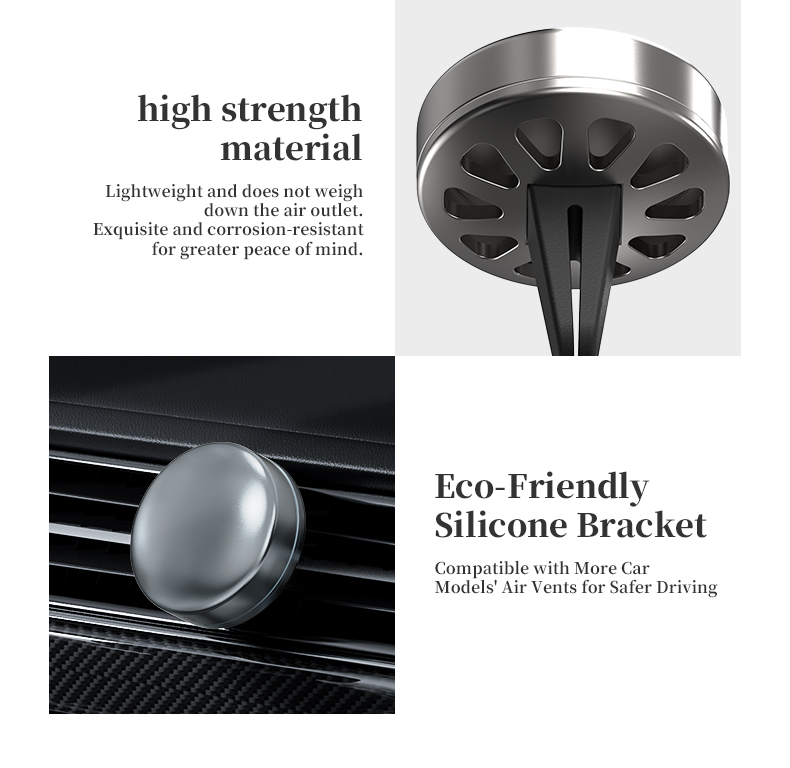
Choosing the right OEM/ODM partner for car, home, and portable aroma diffusers directly impacts product performance, regulatory readiness, and time-to-market. This guide distills what wholesale buyers need to know—technology trade-offs, compliance, MOQ, lead times, and quality systems—so you can source with confidence. To see automotive-specific applications, explore the Car Aromatherapy solution, and browse current aroma diffuser products for reference SKUs.
We focus on procurement realities: selecting the right diffusion method, validating certifications (CE/FCC/ROHS), defining MOQ and tooling, and planning production and logistics for Europe, North America, the Middle East, and Southeast Asia. For company credentials and export profile, see About Dongguan Xueli Intelligent Technology Co., Ltd.. This guide will answer critical questions like “Which diffusion technology fits car cabins?”, “What compliance is mandatory per region?”, and “How do MOQ and lead times change with OEM vs ODM?”
Market Context and Buyer Intent in Aroma Diffusers
Wholesale buyers increasingly differentiate on safety, sensory experience, and industrial design. Car aroma diffusers must control scent intensity without residue, withstand vibration and temperature variation, and operate quietly where cabin acoustics matter. Home and portable devices emphasize energy efficiency, durable materials, and elegant form factors for living spaces. Buyers choosing OEM seek swift customization of proven platforms; ODM buyers require deeper engineering engagement for unique mechanisms or aesthetics. Aligning procurement with buyer intent—low-risk repeatability or innovation-led differentiation—reduces rework, tightens schedules, and supports brand positioning. Embedding compliance early prevents costly redesigns, while documented quality systems ensure consistent batches and stable warranty profiles.
OEM vs ODM: Which Model Fits Your Program
OEM adapts existing, validated diffuser platforms with custom branding, finishes, packaging, and feature configuration—ideal when you need speed, predictable cost, and proven reliability. ODM builds a distinct product from the ground up with custom industrial design, internal architecture, and performance targets—best when seeking category-leading innovation or form-factor differentiation. Consider engineering bandwidth, certification timeline, and market windows. OEM often reduces tooling risk and accelerates roadworthiness for car accessories; ODM supports unique sensory profiles or control systems. Wholesalers should assess launch calendar, expected demand curves, and regional regulatory variance, then match engagement depth accordingly to avoid under- or over-engineering.
Diffusion Technologies and Engineering Requirements
Diffusion method determines aroma fidelity, maintenance requirements, and energy use. Nebulizing “spray” technology atomizes pure essential oils without heat or water; it preserves aromatic compounds and suits buyers prioritizing natural profiles. Ultrasonic diffusers use vibration in a water medium to create mist; they are common in home use but may be less ideal where residue or humidity are concerns. Heat-based or fan-driven models trade sensory accuracy for simplicity. For car cabins, consider oil path design, anti-leak seals, and a power strategy compatible with USB/12V accessories. Industrial design must manage airflow paths to ensure uniform diffusion without overwhelming confined spaces.
| Technology Type | Aroma Diffuser Performance | Pros | Considerations | Best OEM/ODM Use-Case |
|---|---|---|---|---|
| Nebulizing “spray” (pure oil) | High-fidelity scent; no heat/water | Preserves aroma profile; low residue | Oil consumption; precise seals required | Car cabins; premium home; portable sticks |
| Ultrasonic (water-based) | Mist generation via vibration | Wide consumer familiarity; quiet | Humidity/residue; oil-water mixing | Home rooms; decorative formats |
| Heat diffusion | Simple evaporation | Low BOM; compact | Potential aroma alteration; safety design | Budget segments; small spaces |
| Fan-driven pads | Airflow through scented media | Simple upkeep; predictable output | Lower fidelity vs pure nebulizing | Portable; basic car accessories |
Global Compliance and Certifications
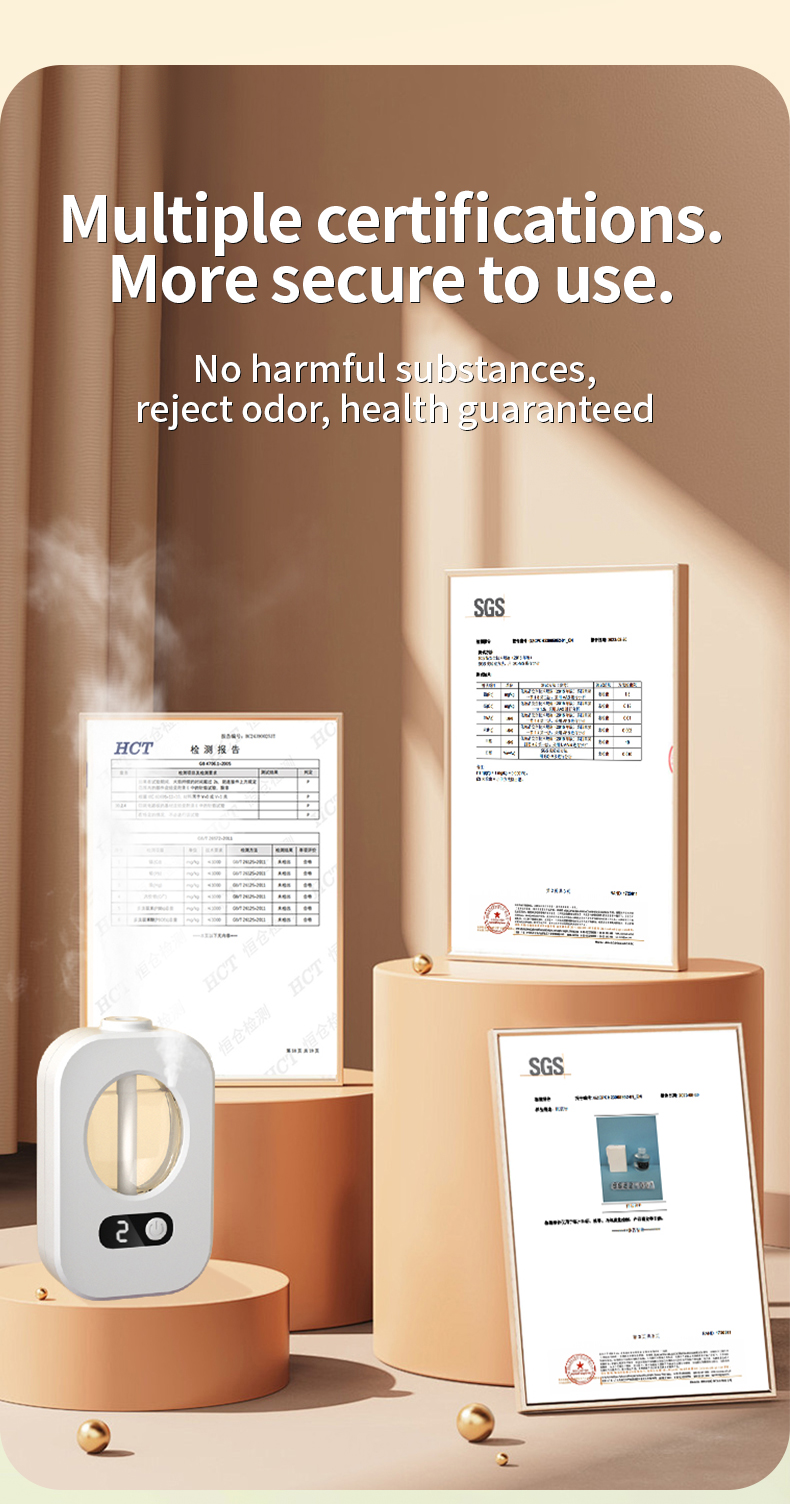
Compliance is foundational to wholesale procurement. Quality systems like ISO 9001:2015 underpin process consistency; see ISO 9001:2015 quality management. Region-specific approvals matter: EU CE marking requirements, FCC equipment authorization for electronics in North America, and EU RoHS directive for restricted substances. For oils, SGS essential oils testing and IFRA fragrance standards support safety claims. Embedding certification milestones into the procurement plan avoids delays and safeguards market entry.
MOQ, Tooling, and Lead Times
MOQ aligns factory planning with cost control; higher volumes typically unlock better unit economics and material selection. Tooling for custom housings or oil path components affects upfront cost and schedule; amortization strategies should be part of your negotiation. Sample cycles validate sensory output and reliability before committing to mass production, and lead times vary by customization depth and certification path. Build buffers for regional compliance and packaging translations. For car accessories, consider accessory power testing and vibration validation early. Clear specifications and consolidated change requests minimize rework, protecting both deadlines and budget.
| Engagement Model | Typical MOQ Considerations | Sample Cycle | Mass Production Window | Customization Complexity |
|---|---|---|---|---|
| OEM | Lower MOQ vs ODM; depends on finish/branding | Faster; existing platform validation | Shorter; certification often pre-aligned | Moderate (colors, textures, packaging) |
| ODM | Higher MOQ due to unique tooling | Longer; engineering iterations | Longer; full certification cycle | High (mechanisms, form factors) |
Quality Assurance and Essential Oil Integrity
Quality assurance should start with material selection, incoming inspection, and standardized assembly protocols, then extend to endurance testing and batch-level verification. A documented quality system like ISO 9001:2015 provides the framework for root cause analysis and corrective actions, improving batch stability and reducing warranty exposure. When using 100% French natural essential oils, ensure the oil path and seals preserve purity and prevent leakage. SGS analysis validates oil authenticity and safety, and adherence to IFRA guidelines supports consumer trust. In car diffusers, durability against vibration and temperature cycles is critical, along with uniform scent dispersion that does not overwhelm a confined space.
Logistics, Packaging, and Global Delivery
Export-ready packaging must protect devices and oils, comply with labeling norms, and support multi-language inserts. For Europe, North America, the Middle East, and Southeast Asia, consolidate regulatory marks and symbols to streamline inventory. Palletization guides and carton tests reduce freight damage, and advance shipping notices align downstream operations. Work with partners experienced in cross-border delivery to reduce customs friction and ensure on-time arrival. For portable and car accessories, small-format packaging can optimize shelf density, while robust inserts prevent internal movement, protecting delicate components like nozzles, reservoirs, and control boards.
Cost Drivers and Negotiation Playbook
Unit cost is influenced by diffusion technology, essential oil grade, enclosure materials, electronics sophistication, and certification scope. Tooling and MOQ shape amortization and price curves; transparent cost models accelerate decision-making. Negotiate on shared efficiency gains—design-for-manufacture, common components across SKUs, and optimized packaging. Align forecast with capacity planning to secure production slots, and commit to quality checkpoints that avert late-stage rework. Clear artwork and packaging specifications reduce iterations, while early agreement on test protocols protects both budget and schedule.
Procurement Checklist and Spec Guidance
Define your specification from the outset: target diffusion method (nebulizing “spray”, ultrasonic, etc.), scent intensity control, reservoir and seal design, acoustic targets, power compatibility (USB/12V), materials, finish, and packaging requirements. Document compliance expectations—CE/FCC/ROHS—and quality systems like ISO 9001:2015. For oils, request SGS analysis records and IFRA-conformant usage guidance. Confirm export destinations and labeling needs, and align sampling, PPAP-like sign-offs, and mass production gates. Link your RFP to reference SKUs from the product list to anchor expectations.
OEM/ODM Process Flowchart
Flowchart: OEM/ODM Car Aroma Diffuser Procurement Process—from R&D to certification, mass production, and global delivery.
Evidence and Differentiation: Why Choose Xueli
Dongguan Xueli Intelligent Technology Co., Ltd. focuses on home and car aroma diffusers and air purifiers, producing “spray” products with 100% French natural essential oils for an eco-friendly, chemical-free experience. Recognized for design excellence and high aesthetic value, the brand delivers strong user experience and holds ISO 9001:2015, SGS essential oil analysis reports, CE/FCC/ROHS compliance, and 9 utility model patents. As a leader in China’s car perfume innovation, Xueli combines R&D strength and stylish quality to support OEM/ODM programs from development to global delivery, with exports to Europe, North America, the Middle East, and Southeast Asia. See more on the About Us page.
Frequently Asked Questions
How do you ensure quality control for aroma diffuser OEM and ODM projects?
Quality control is anchored by ISO 9001:2015, covering processes from R&D and sampling to mass production. Xueli’s design and R&D strengths, proven user experience, and 9 utility model patents support robust engineering, while SGS essential oil analysis and adherence to CE/FCC/ROHS ensure product integrity across markets.
What certifications do your car and home aroma diffusers comply with for global markets?
Products are aligned with CE/FCC/ROHS compliance frameworks, supported by ISO 9001:2015 quality systems and SGS essential oil analysis reports. This certification mix supports consistent export to Europe, North America, the Middle East, and Southeast Asia.
What is included in your end-to-end OEM and ODM service scope from R&D to delivery?
Services cover the full flow from R&D and design through production and global delivery, with both OEM and ODM options. Xueli supports customization, certification readiness, and export logistics, providing a streamlined path from concept to market across multiple regions.
Which regions do you export aroma diffusers to and how does this benefit B2B buyers?
Exports reach Europe, North America, the Middle East, and Southeast Asia. Buyers benefit from established compliance practices, region-aware packaging and labeling, and experience delivering car, home, and portable aroma diffusers at scale.
Conclusion and Next Steps
Successful procurement balances diffusion technology selection, certification discipline, MOQ/tooling economics, and rigorous quality systems. With design excellence, ISO 9001:2015, SGS oil analysis, CE/FCC/ROHS compliance, and 9 patents, Xueli provides a reliable OEM/ODM pathway from R&D to global delivery. Review the Car Aromatherapy solution, explore products, and contact us to request a wholesale quote.