In 2026, the global car air freshener diffuser category is being reshaped by three force-multiplying trends: smart connectivity, refillable systems, and eco‑friendly materials. For auto parts shops, these shifts redefine assortment, service bundles, and customer retention through data-enabled experiences, lower total cost of ownership, and compliance-led trust.
 -
-
Scope and Audience
This analysis focuses on 2026 and a global market view. It is tailored for auto parts retailers and shop owners seeking practical, standards-aligned decisions on smart, refillable, and eco‑friendly car diffuser offerings.
To navigate choices among platforms and vendors, executive tools like Gartner Hype Cycles and Magic Quadrants support confident technology selection and risk control.
Core Trends: Smart, Refillable, Eco‑Friendly
Smart Diffusers
Definition & Status: Connected devices that pair with smartphones or vehicle systems, featuring sensors (motion, temperature, VOC), auto on/off with ignition or movement, and app-based personalization of scent intensity and scheduling.
Key Drivers: Growth of connected vehicles and standard interfaces (e.g., Bluetooth), consumers’ demand for convenience and personalization, and data-led inventory optimization for retailers.
Data Support: Retail and OEM tech selection frameworks referenced by Gartner (e.g., Hype Cycle, Magic Quadrant) are widely used to evaluate IoT platforms and device ecosystems, improving due diligence and ROI confidence.
Value Chain Impact: Suppliers add sensors and firmware; production integrates QA for connectivity; distributors emphasize compatibility and after-sales support; consumers benefit from app control and safer auto‑shutoff features.
Refillable Systems
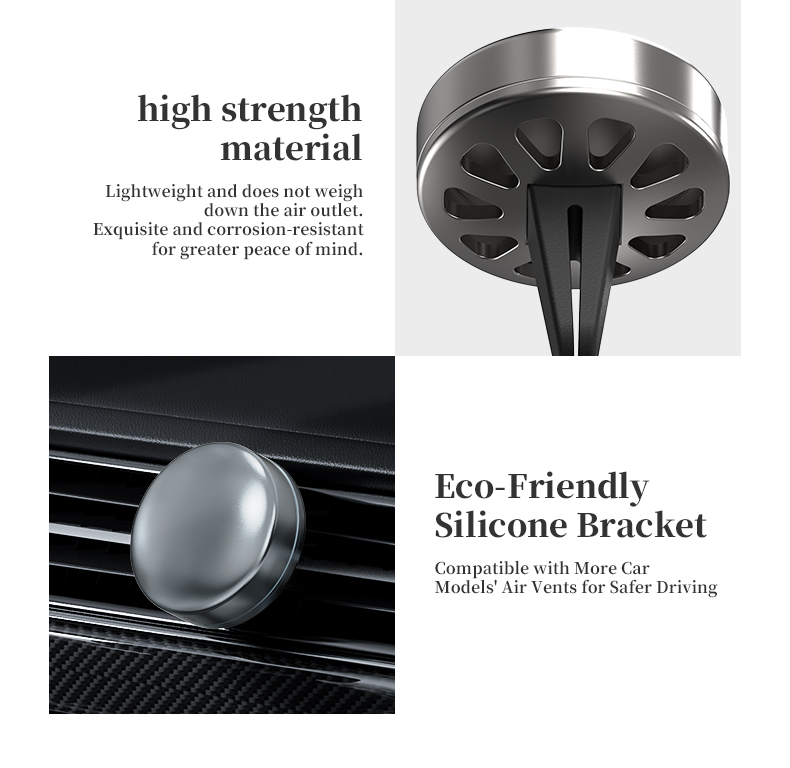
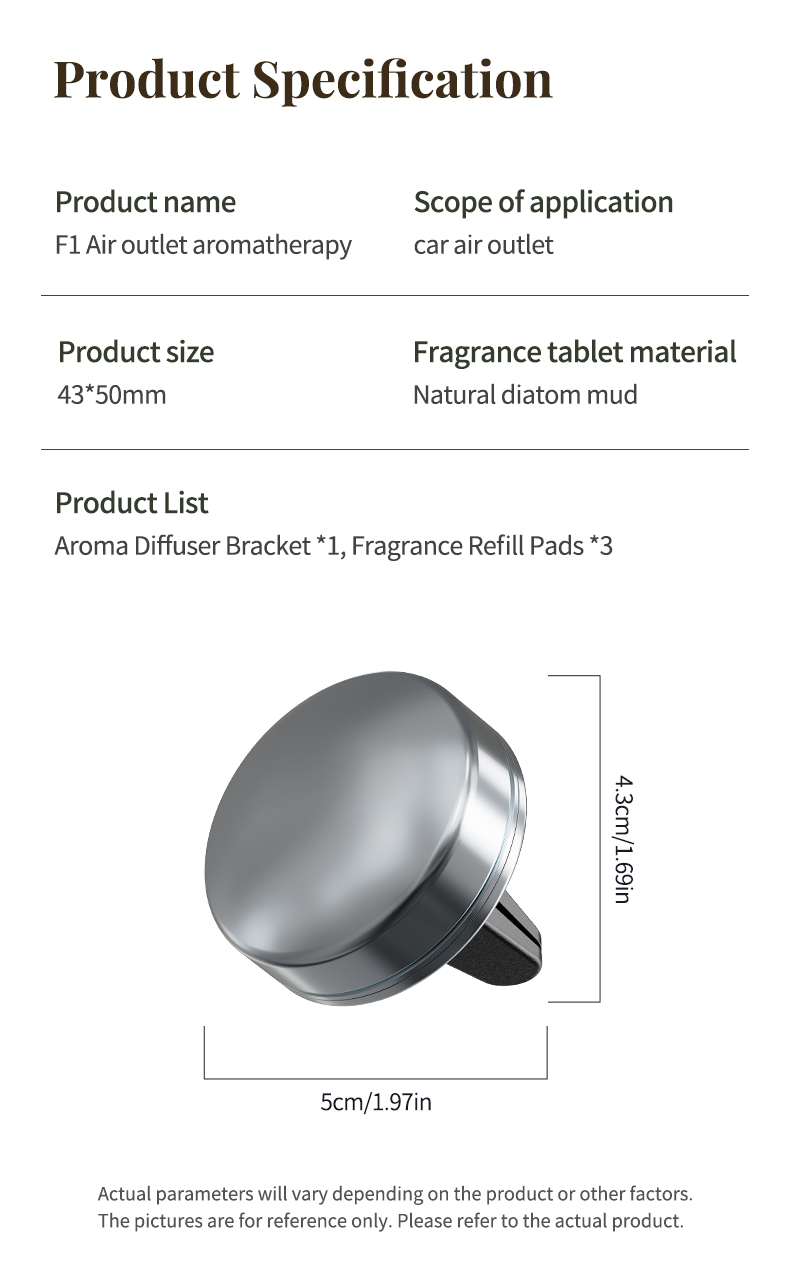
Definition & Status: Hardware designed for recharging via cartridges or oils, prioritizing reusability, cost efficiency, and reduced packaging waste. Subscription bundles and standardized refills increase repeat sales.
Key Drivers: Policy pressure on packaging waste and single‑use plastics; retailer economics favoring recurring refills over disposable units; consumer expectation for sustainable ownership models.
Data Support: The EU’s packaging-waste agenda (European Commission) promotes reuse/refill schemes to cut waste; circular packaging practices are profiled by the Ellen MacArthur Foundation.
Value Chain Impact: Suppliers standardize refill interfaces; production optimizes seals and dosing; distributors stock multi‑pack refills; consumers gain lower per‑use cost and convenient replenishment.
Eco‑Friendly Materials & Formulations
Definition & Status: Natural essential oils and low‑VOC carriers; electronics compliant with RoHS; transparent safety documentation (e.g., lab analyses) and responsible sourcing.
Key Drivers: Chemical safety regulation—EU REACH—and indoor air quality guidance by the U.S. EPA; electronics substance restrictions under EU RoHS.
Data Support: REACH regulates hazardous chemicals and requires safety information (ECHA), EPA highlights VOC health considerations, and RoHS restricts lead, mercury, cadmium and other substances in electronic devices.
Value Chain Impact: Suppliers prioritize compliant inputs; production conducts materials traceability and lab testing (e.g., SGS); distributors use compliance documentation and eco labels; consumers gain safer, trusted products.
Data-Driven Outlook for 2026
Regulatory momentum (REACH, RoHS, packaging waste rules) and practical connectivity standards suggest continued growth for smart features, refillable formats, and eco‑friendly formulations. The projection below is qualitative, based on regulatory guidance (ECHA/EPA) and technology adoption frameworks (Gartner); no speculative numerical forecast is used.
Compliance and Standards Snapshot
| Standard / Regulation | Scope | Retail Relevance | Official Source |
|---|---|---|---|
| EU REACH | Chemical safety; registration and restrictions | Documentation for oils and carriers; safety assurance | ECHA |
| EU RoHS | Hazardous substances in electronics | Electronics compliance for diffuser hardware | EU |
| U.S. EPA VOC Guidance | Indoor air quality and VOCs | Consumer safety messaging and formulation choices | EPA |
| CE Marking | Conformity with EU directives (e.g., EMC, LVD) | Retail import and market access | EU |
| ISO 9001:2015 | Quality management systems | Supplier process reliability and auditability | ISO |
Opportunities & Challenges for Auto Parts Shops
 -
-
- Opportunities: Connected bundles (device + app tips), refill subscriptions, eco‑premium tiers, compliant imports that signal quality.
- Challenges: Vetting connectivity claims, managing multi‑vendor refill compatibility, ensuring chemical compliance, and training staff.
- Mitigations: Use standards documentation (REACH, RoHS), prefer vendors with lab reports, and standardize 2–3 refill interfaces to simplify inventory.
Action Guide
For Shop Owners (Strategic)
- Define 2026 assortment strategy: a smart hero device, refillable line, and eco tier aligned to REACH/RoHS.
- Negotiate OEM/ODM terms that lock in refill standards and private‑label options for recurring revenue.
- Adopt a compliance checklist and display certifications in‑store and online for trust and upsell.
For Category Managers (Tactical)
- Standardize two cartridge formats; map refill packs to shelf positions and reorder triggers.
- Run A/B merchandising: smart device next to refills; signage on VOC safety and app features.
- Bundle services: install assistance, aroma personalization, and membership refills.
For General Staff (Operational)
- Demo app pairing and auto‑shutoff benefits; explain refill cost savings.
- Use compliance talking points (REACH, RoHS, EPA VOCs) to answer safety questions.
- Promote refills at checkout and offer a first‑month subscription discount.
Value Path with Dongguan Xueli Intelligent Technology
Dongguan Xueli Intelligent Technology Co., Ltd. (brand Xuepear) focuses on car, home, and portable aroma devices using natural essential oils, with design excellence and smart features. The company provides end‑to‑end OEM/ODM services and holds ISO 9001:2015, CE/FCC/RoHS compliance and third‑party lab analyses (e.g., SGS), serving Europe, North America, the Middle East, and Southeast Asia.
Retailers can leverage Xuepear’s refillable designs, smart firmware, and compliance documentation to accelerate the 2026 transition while aligning with eco‑friendly customer preferences. Explore solutions at xuelixiangxun.com or request an expert consultation for customized assortments and private‑label options.
References
- Gartner — Tools to make tech decisions with confidence; Hype Cycles and Magic Quadrants used for technology evaluation.
- ECHA (REACH) — EU chemical safety framework for substances and mixtures.
- EU (RoHS) — Restriction of hazardous substances in electrical and electronic equipment.
- U.S. EPA — VOCs and indoor air quality guidance for consumer products.
- European Commission — Packaging waste policies and guidance on reuse/refill.
- ISO 9001:2015 — Quality management systems overview.
- Ellen MacArthur Foundation — Circular economy and reuse/refill best practices.
- Bluetooth SIG — Connectivity standards relevant to smart consumer devices.
- SGS — Independent testing and certification services for materials and consumer products.